
Keep the appearance in the conversation
Waxahachie's courthouse-area downtown is known for shops, restaurants and specialty stores. The city also identifies Downtown and Oldham Avenue historic overlays. That local character makes it especially useful to describe the existing door and hardware without assuming every older property has the same requirements.
If the lock works but an old key should no longer operate it, ask about rekeying. Suitability depends on what is already fitted. Explain which visible pieces you would like to retain, while keeping the desired appearance separate from any promise about the work that will be possible.
What changed in daily use?
A key that catches, a bolt that will not extend and a door that needs lifting are different observations. Say when the issue occurs and whether it affects one key or every key you use. Avoid forcing an entrance that is becoming unreliable simply to demonstrate the fault.
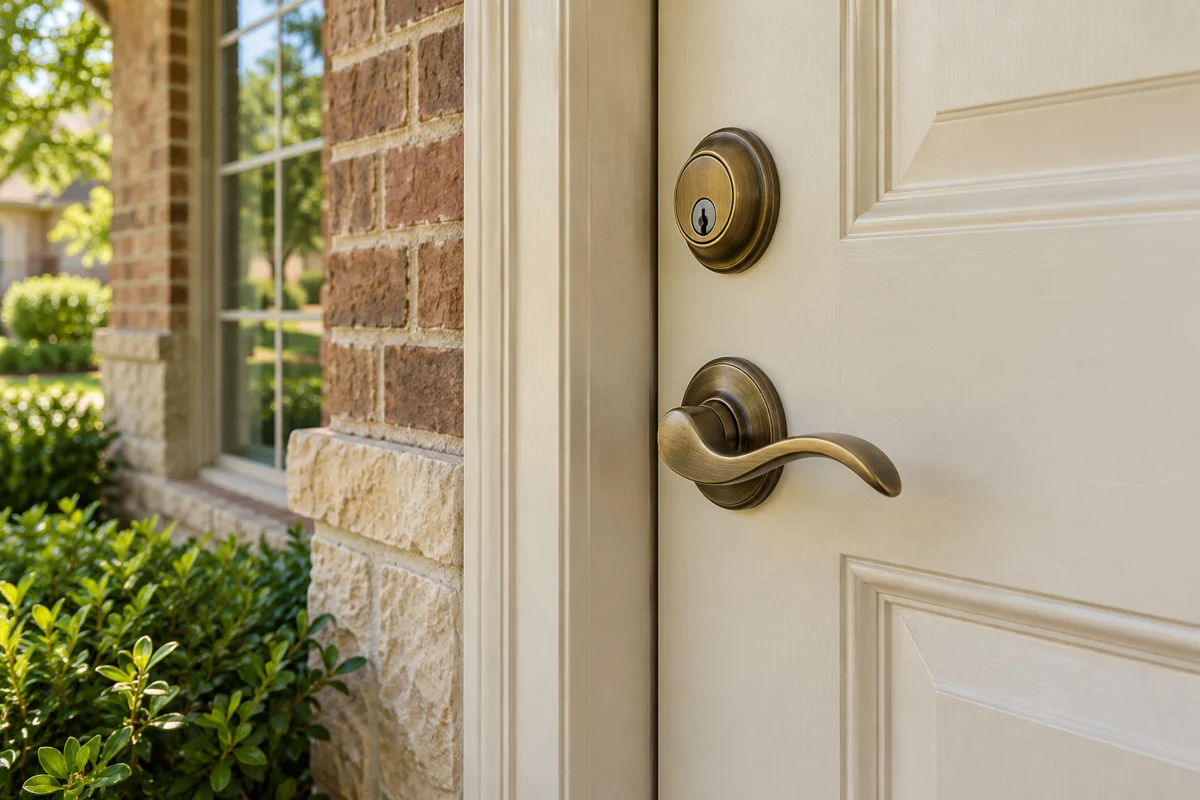
The intermittent-lock guide offers a simple way to collect those details. You can then discuss repair assessment with a clearer description. A photograph of the existing hardware may help the conversation, but it does not establish a diagnosis or confirm that particular parts can be retained.
Your property, your approval process
For a house, explain whether the request follows a move, a lost key or a developing fault. For an ordinary shop entrance, identify the person who can approve work and the door that needs attention. If the property has its own alteration requirements, clarify them with the responsible party before agreeing to changes.
Use the contact details to share the Waxahachie address and the practical aim. You do not need to decide on replacement hardware before talking. Start with what currently works, what fails and what you want the finished result to do; then discuss the proposed scope and price process.